Again and again, our most impactful projects have started with the same challenge: what if the format itself is part of the idea?
From prospectuses to websites, campaigns to communities and social channels to socks, we've consistently pushed beyond traditional recruitment thinking to create work that reflects how people actually engage with content. And the results speak for themselves.
Redefining what success looks like in education marketing
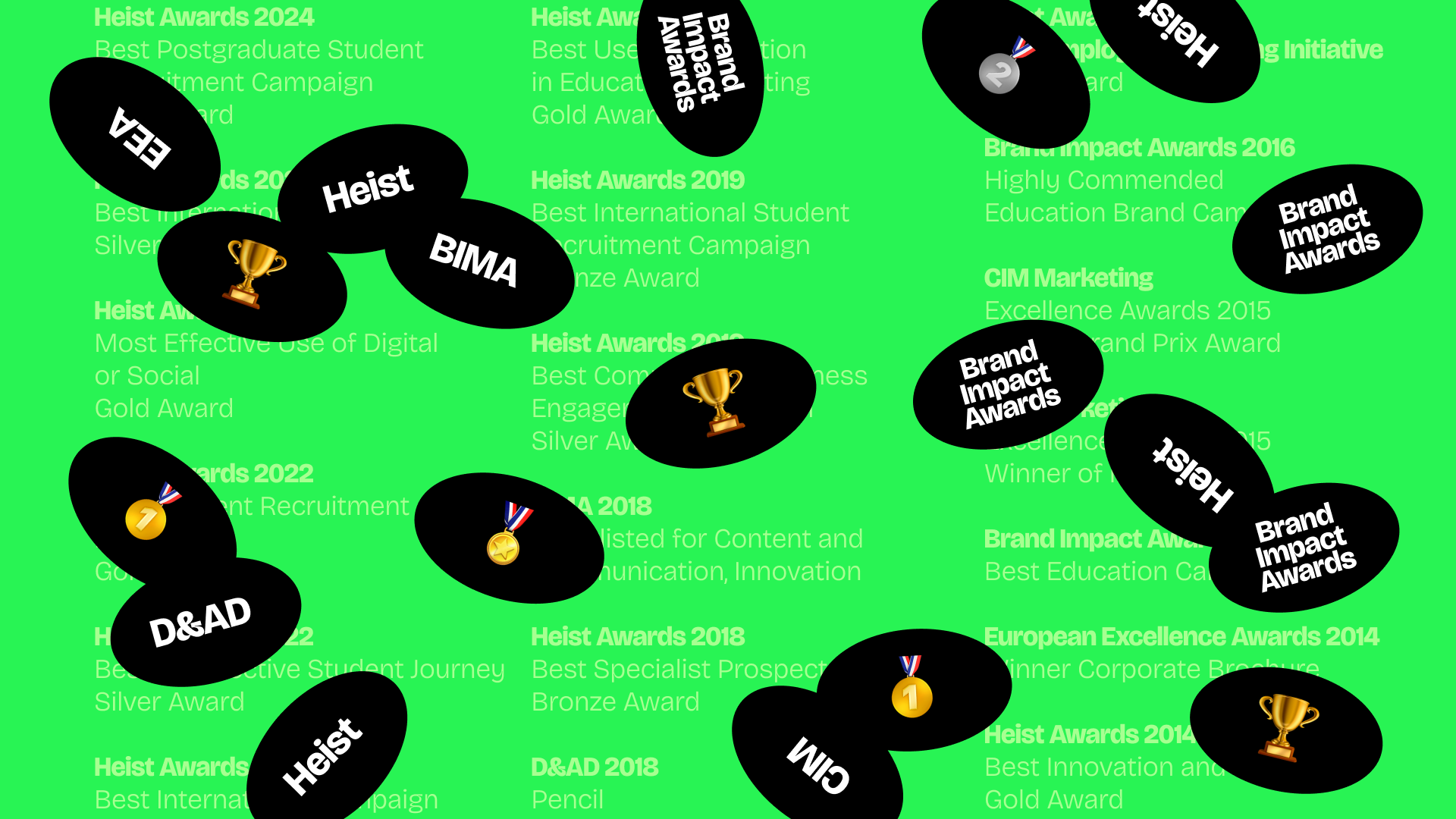
In higher education marketing, success has often been measured by familiarity – the same formats, the same structures, the same assumptions about what prospective students need to see in order to choose. But some of the most meaningful work we've created over the years – and the work that's been recognised by industry awards – has come from questioning that logic entirely.
Insight
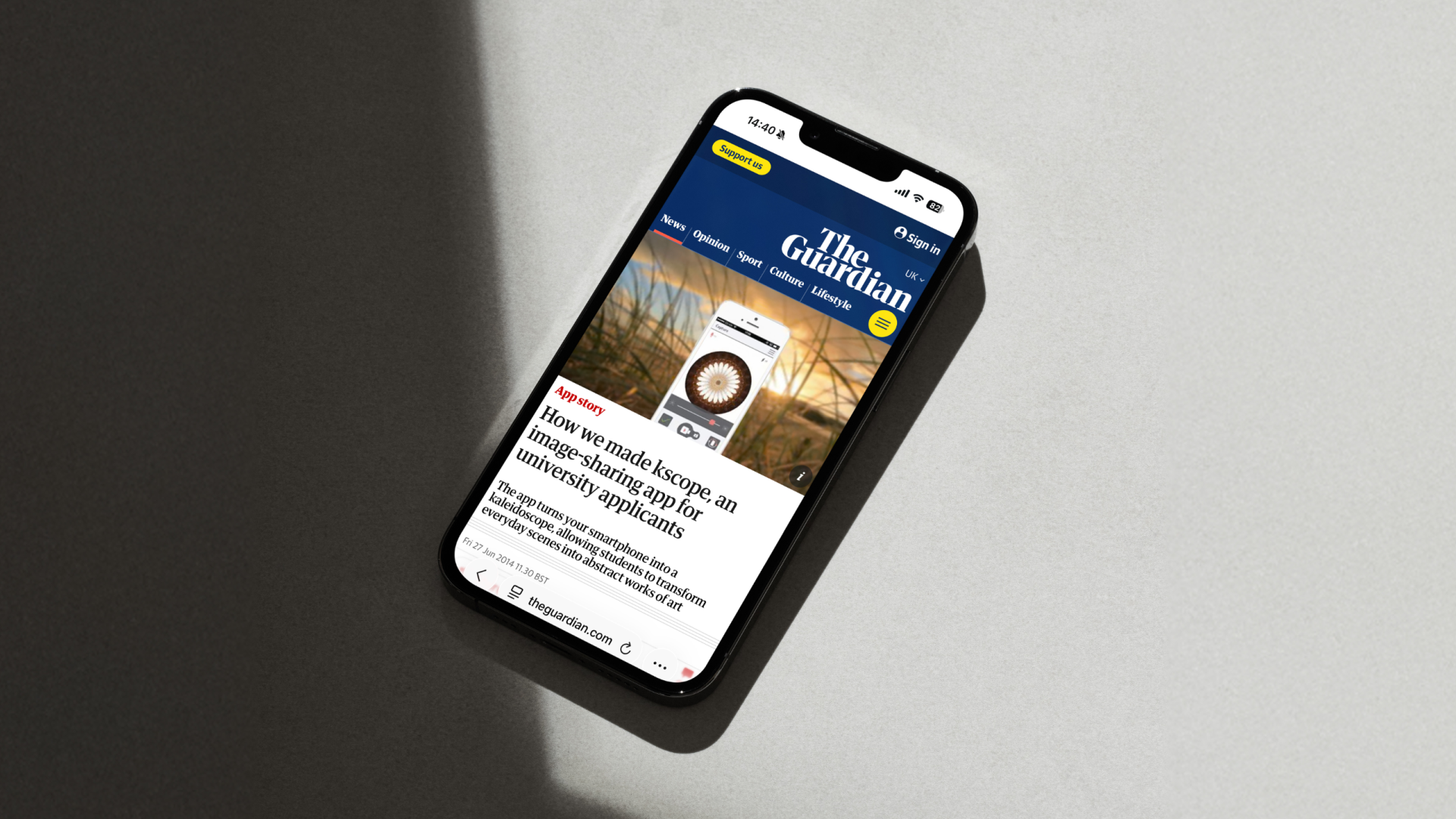

Take K-Scope – back in 2015 we created a kaleidoscopic app designed for creatives who see the world differently. Rather than explaining creativity through linear course pages, the platform invited exploration and play, tapping into something intuitive and personal and fucntioning as a compelling hook that would demonstrate AUB as an insitution that operates in the same way as the audience they are hoping to attract – with curiosity, creativity and seeing a whole lot of possibility in the world around them.
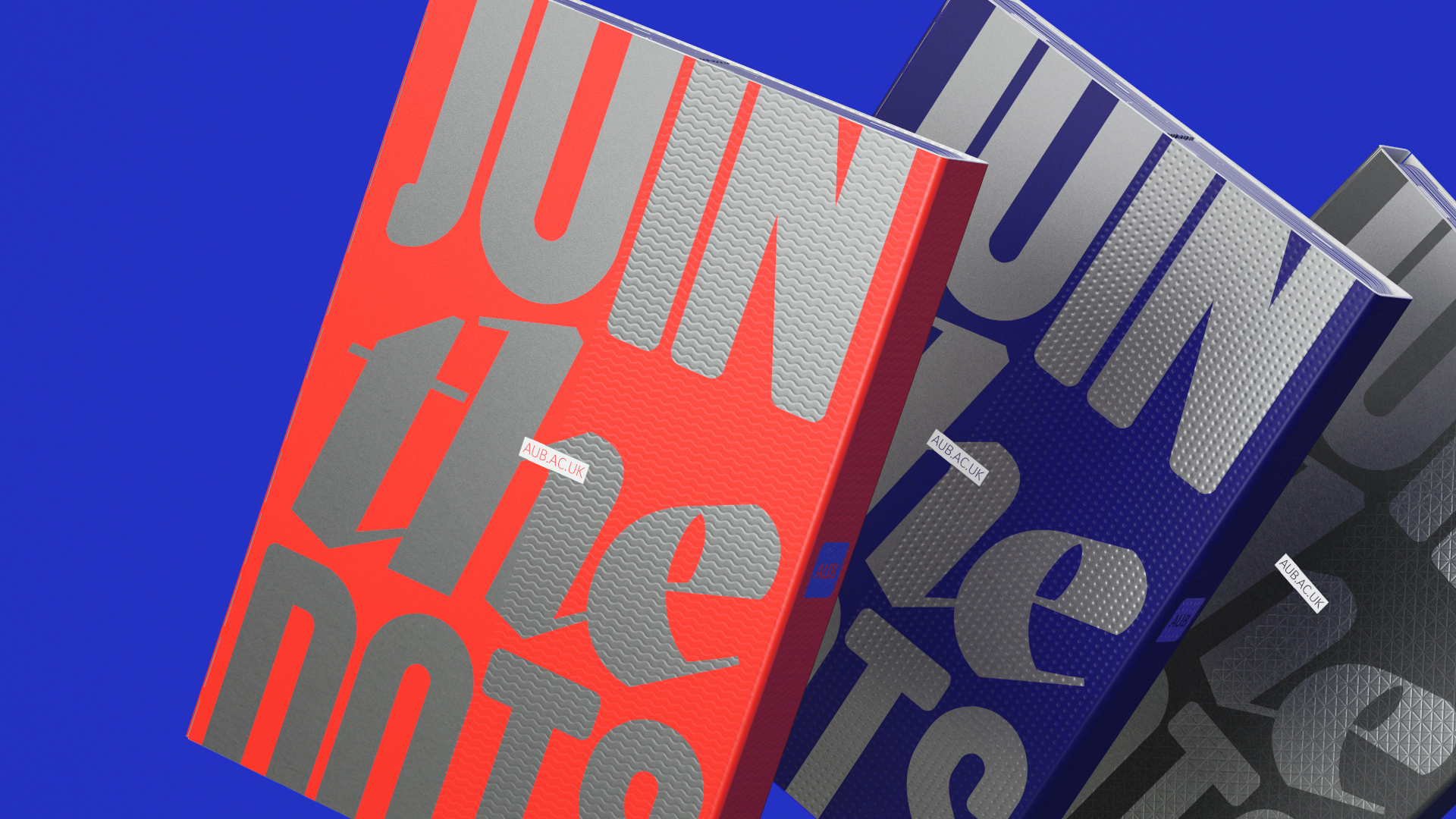
With House of Cards, we questioned the role of the prospectus altogether. We created a system that could be reshuffled, reinterpreted and reassembed. It was a deliberate move away from polished certainty and towards personalised exploration.
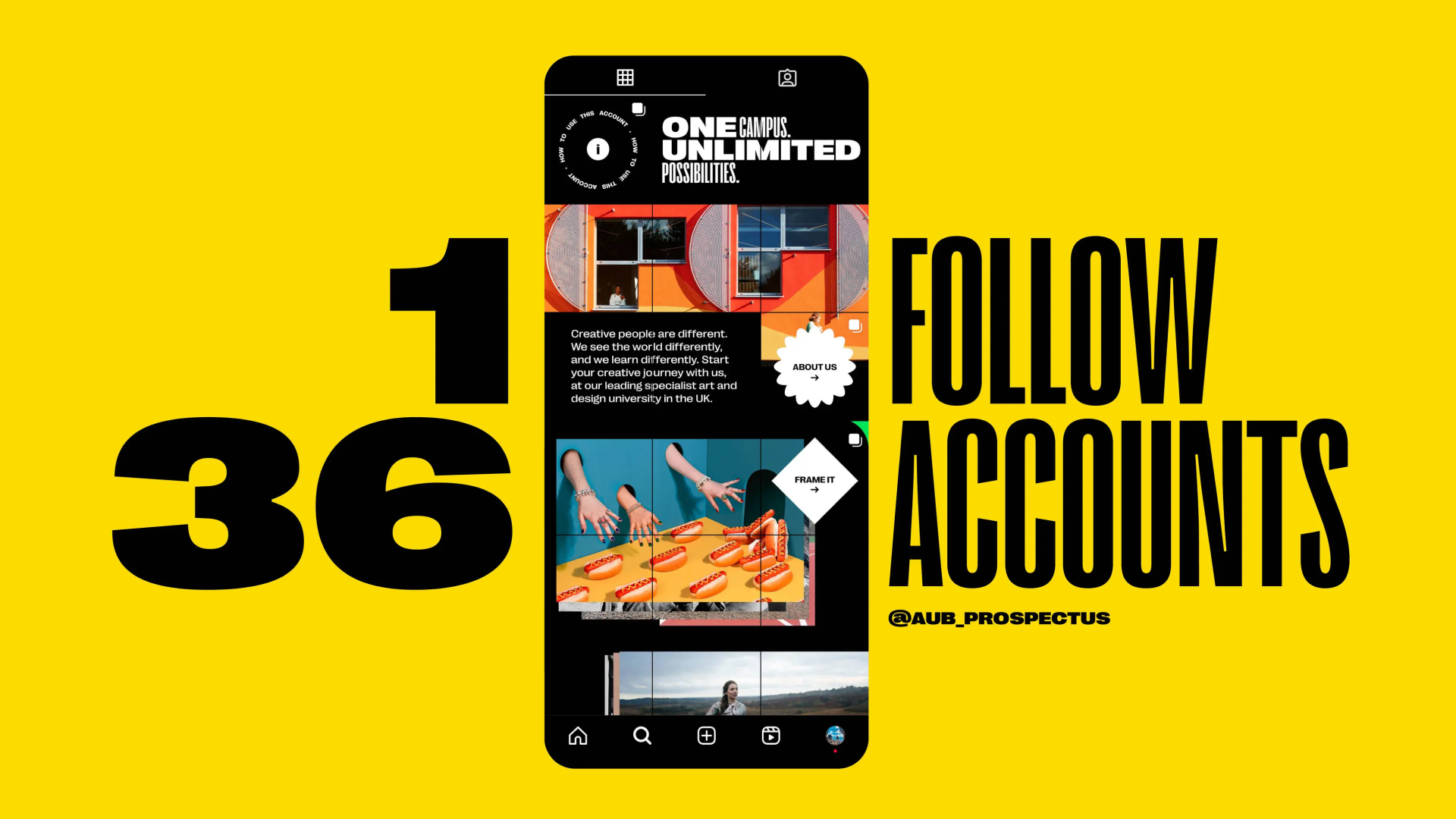
That same instinct shaped AUB's Instagram Prospectus – a world-first approach that met prospective students exactly where they already were. Instead of pulling them away from their natural behaviour, the campaign used the inbuilt mechanisms of social media to share authentic content about living and studying at AUB.
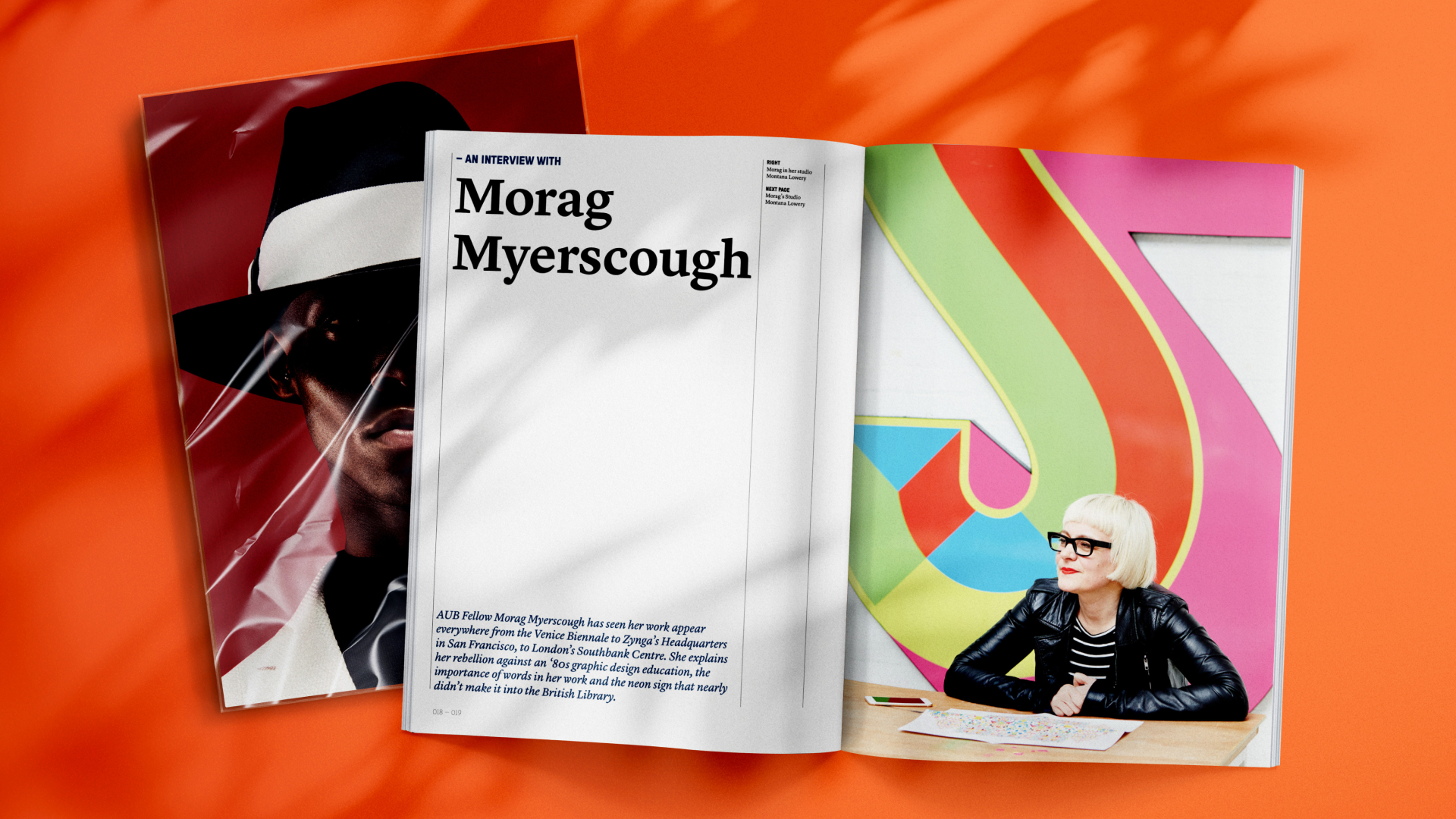
And with One Piece of Advice, we turned the idea of alumni communication on its head. What began as a simple postcard became an evolving editorial platform build around shared experiences and advice, rather than institutional messages. It was never about showcasing success stories, but about offering something genuinely useful and relatable – advice being passed from one creative generation to the next.
Across all of this work, the common thread isn't experimentation for experimentation's sake – it's a belief that when you respect your audience – their intelligence, their curiosity, their lived experience – better ideas follow. Awards matter, but only as markers that this approach has worked. What matter more is that these projects helped intitutions connect in more honest, relevant and imaginative ways.
In a sector often defined by convention, our work continues to show that when you rethink the format, you'll always find news ways to tell stories that actually land.