Their challenge to us
WorkWise
From a struggling sector to an online community bursting with knowledge and momentum, WorkWise exists to help revolutionise working culture in the UK’s screen industries.
Brand
Digital
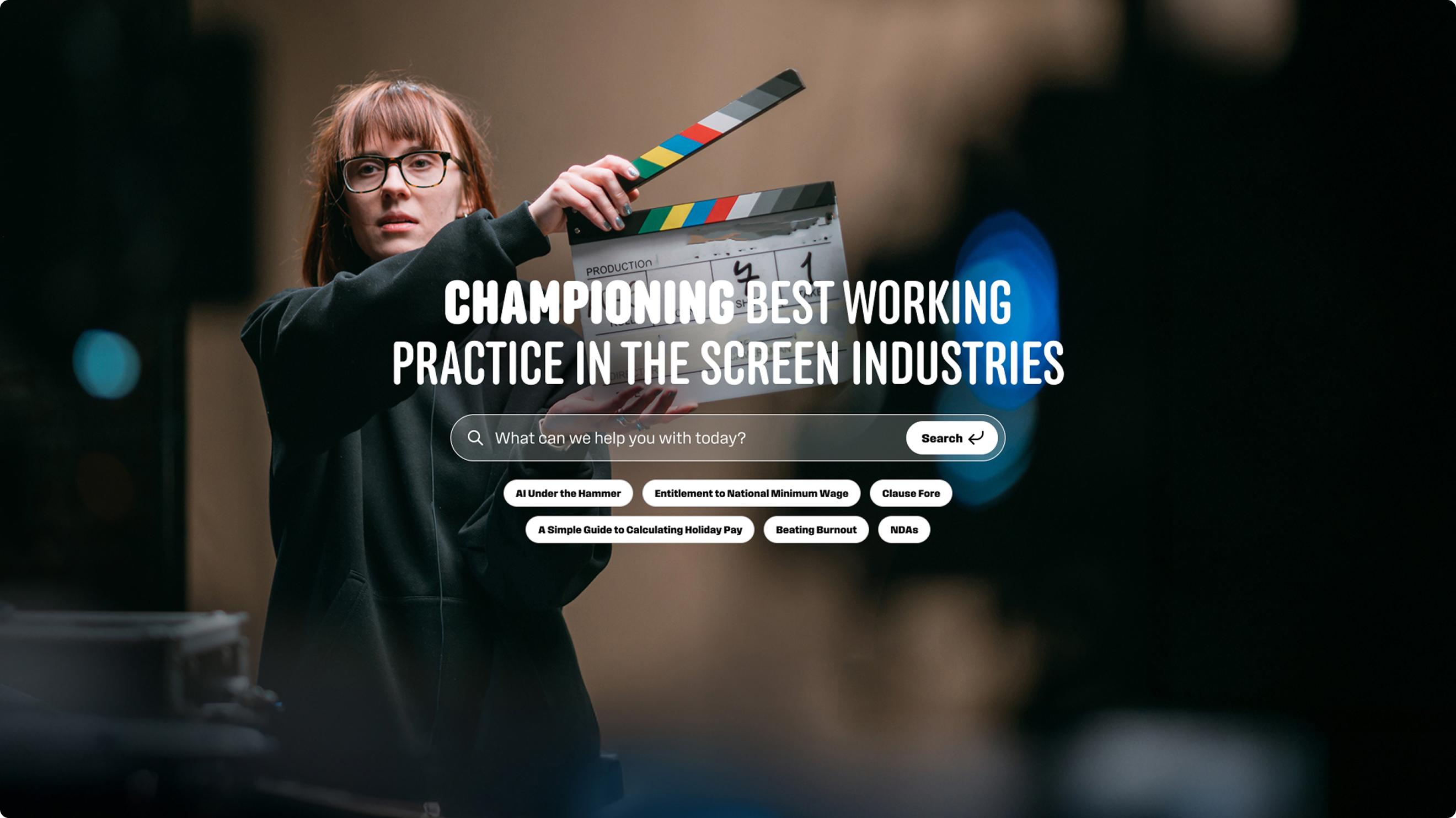
With a pilot programme designed to reshape the culture of the UK’s screen industry, we needed to develop a solution that would tackle critical challenges highlighted by the DCMS Good Work Review, including poor working conditions, mental health struggles, and work-life balance issues.


Collaborating with (and coordinating) partners including with Counterculture LLP, National Lottery and Edinburgh Napier University, we created, built, named and branded an innovative, user-first online platform that reflects the diverse needs of its audience – WorkWise for Screen.
With an emphasis on accessibility and inclusivity, we crafted a visually engaging and intuitive platform tailored to multiple user groups, integrating feedback from legal experts, educational institutions, and industry leaders, balancing their input to create a resource that is both practical and scalable.
The platform features tools that address pressing issues, such as fair contracting and mental wellbeing, while interactive elements like peer-to-peer networks promote community ownership and ongoing growth. WorkWise for Screen demonstrates our ability to manage complex projects and unite diverse perspectives to deliver impactful solutions that drive meaningful change.
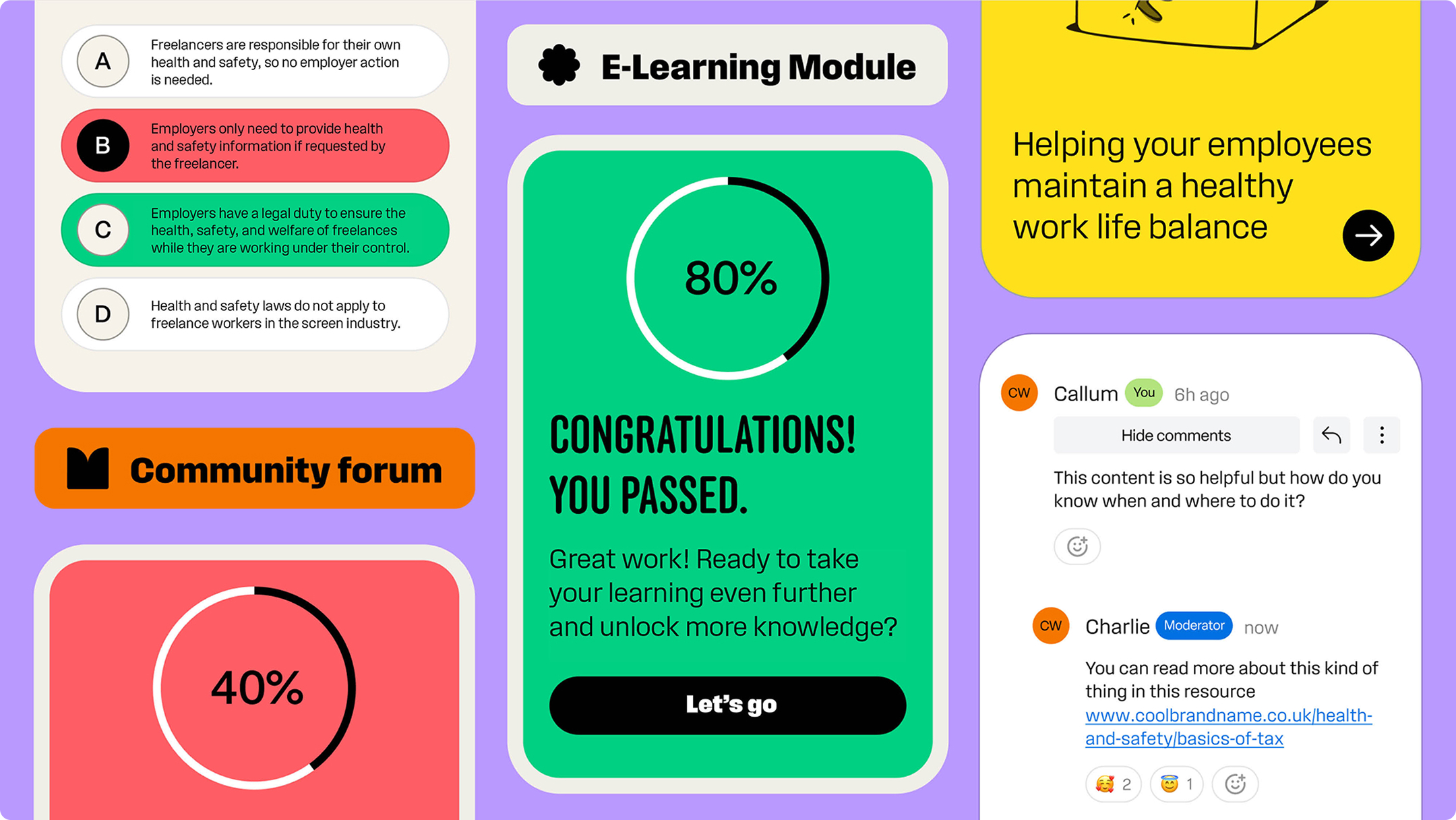
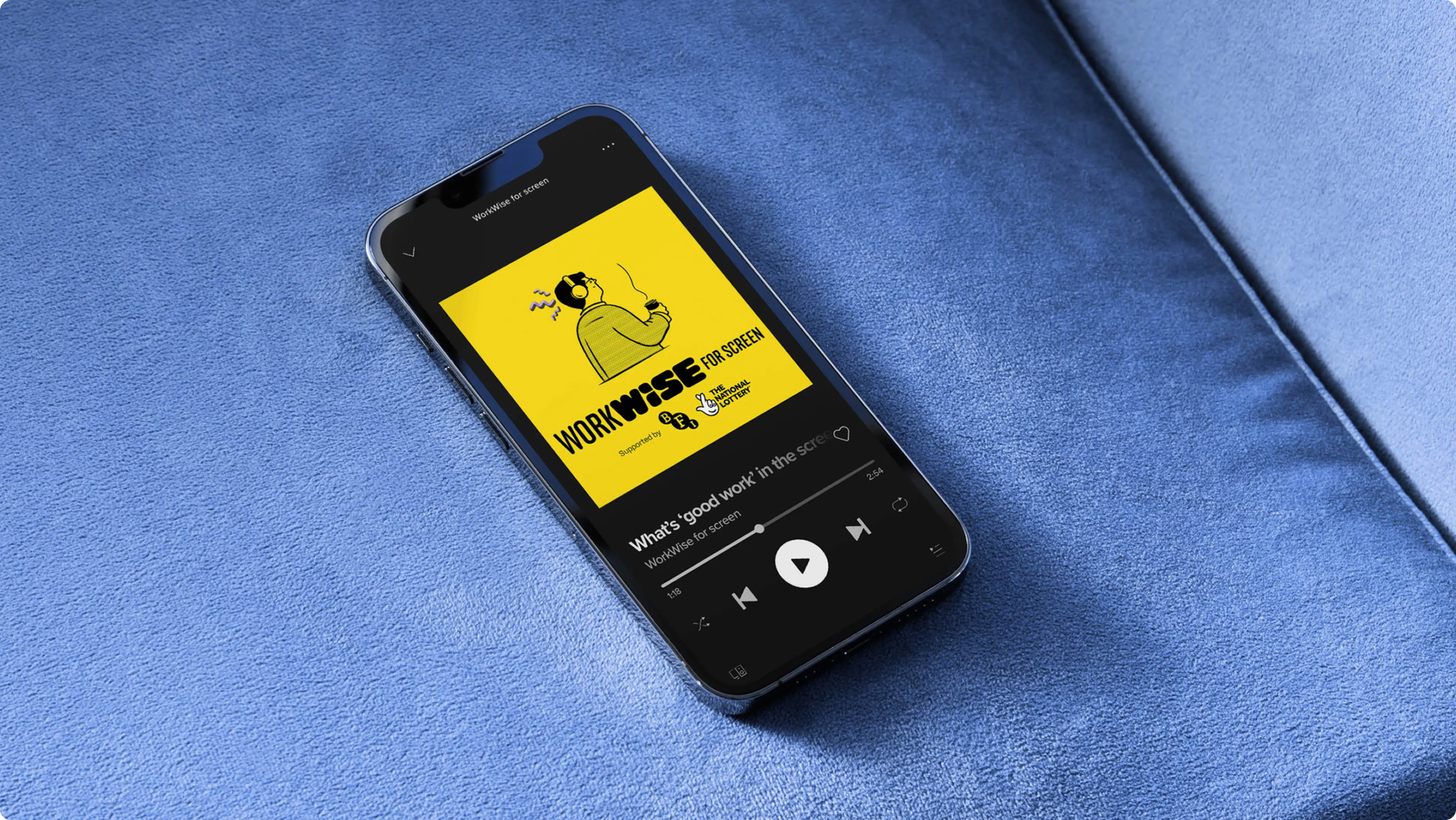

WorkWise for Screen demonstrates the power of digital to bring together fragmented perspectives and drive systemic improvement. By creating a platform that balances practicality with empathy, we’ve helped the screen industry take a decisive step toward healthier, fairer, and more sustainable working cultures across the screen sector.
Users spend 56% longer engaging with the platform’s content than is typically seen across specialist workplace-guidance and training sites.
Bounce rates across core journeys are 39% lower than standard patterns for workplace-information sites, indicating users consistently find content relevant.
With engagement at just under 60%, search users come with clear intent and stay to explore the guidance they find.
Search-led journeys produce 82% higher engagement than typical behaviour for industry toolkits, showing users come with intent and stay to explore.