Look through any university prospectus and you’ll find similar promises. World-leading research. A vibrant student community. Outstanding graduate outcomes. Say them enough times, across enough institutions, and they stop meaning anything at all.
So how did Royal Holloway, University of London, become the most-searched-for university in the UK on A-level Results Day 2026, with interest up 1,500% year on year (Tab’s analysis of Google Trends)?
At first glance, it looks like the payoff of a perfectly timed campaign, but search spikes like that are just the visible tip of years of consistency that most people never see.
I’ve come to think results-day numbers say less about the work done that cycle, than everything done in the years before it. And Royal Holloway is the clearest proof of that that we’ve worked on at B&C.
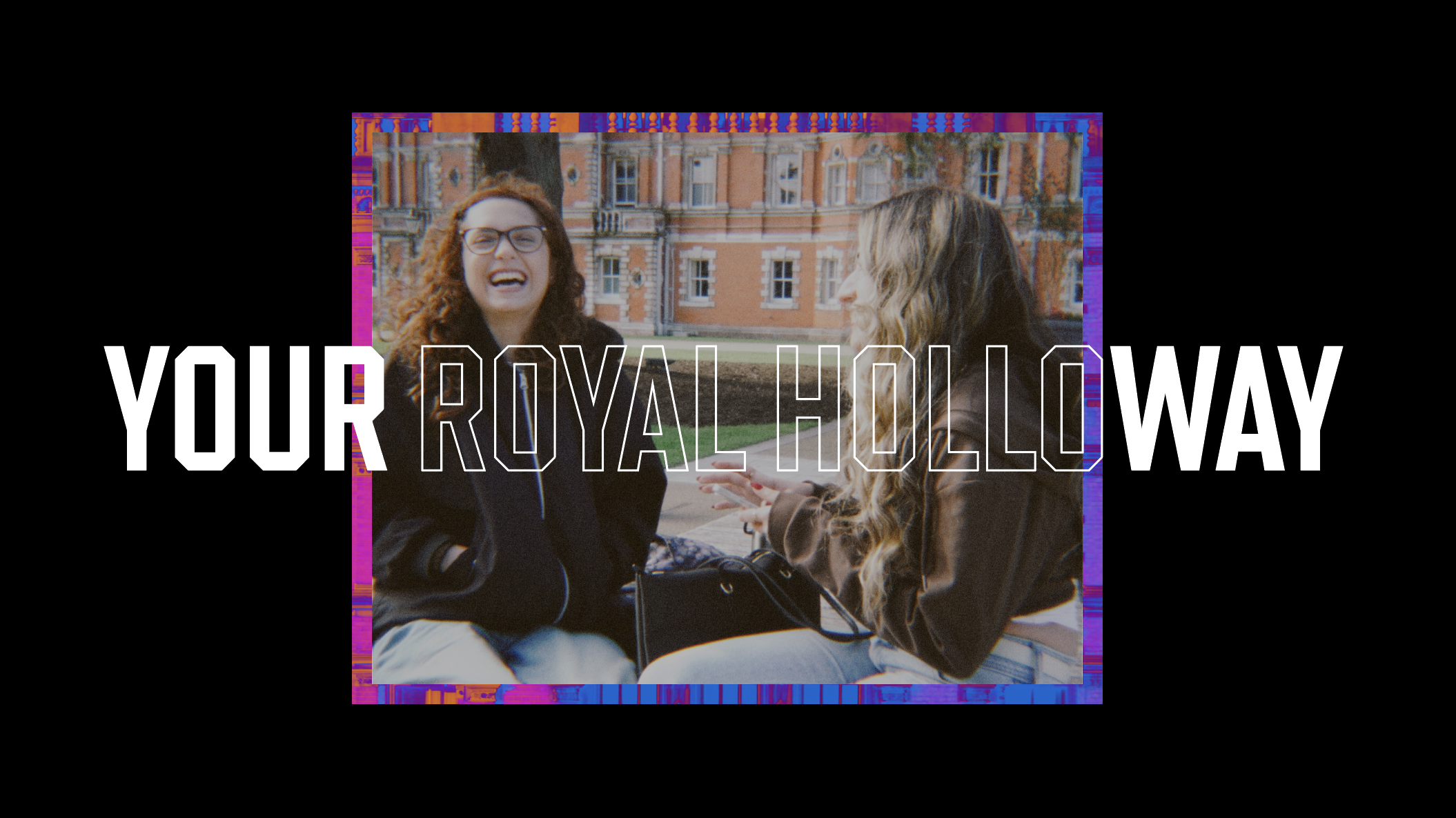
We started with Royal Holloway shaping their brand platform – For What Matters – four years ago, and haven’t really touched the core idea since. The things around it have been refined and adjusted – the campaigns, the channels, the audiences we’ve reached – while the story underneath has stayed utterly consistent. That continuity is increasingly important in a crowded market where degrees, student experiences and career outcomes can all start to sound the same. A short campaign can win attention but it won’t change how people actually perceive an institution.
At a time when much of the sector felt muted, together, we empowered the University to lean into the continuity of their history as a genuinely trailblazing institution again – they were the first university to allow women to study (and if you ask me, university history doesn’t get much cooler than that). Social impact and inclusion has always been what’s held Royal Holloway’s community together, and if they were being that bold, that brave back in the 1800s, how could we bring some of that spirit back into their brand activity today? The point here wasn’t about looking backwards, but about finding a way to connect that pioneering past with the people and causes shaping the university today, and then keep building on it.
Getting to where we are now meant resisting the pressure every marketer knows so well – the pull to clear the decks and start again each year. New leadership, a new intake, a new set of competitor moves – there’s always a temptation to refresh! But we supported the client team to remain steadfast with a focus on letting familiarity build instead of asking audiences to learn a new story every September.
It's the same discipline that’s kept the Duke of Edinburgh’s Award meaningful to employers and universities for 70 years, even as the young people earning it and the world they’re earning it in have changed. The brand hasn’t needed reinventing each generation to stay relevant – its value comes precisely from staying the same, and universities have the same opportunity with their brands.
For Royal Holloway, campaign ROI reached unprecedented levels. Undergraduate applications, leads from undergraduates and parents grew, all out-performing and reversing market trends. Web visits rose and on-campus events hit full capacity for the first time since the pandemic.
All of this stretches far beyond what a single recruitment cycle can achieve. It’s the result of four years of refining the same story, putting it out into the world and together standing our ground. Consistency always compounds, taking reputation beyond a single intake of students and to the sixth-form teachers who’ve heard the story for years, parents comparing notes with other parents, alumni repeating it at reunions and the academics who start to use it without being told to. This is institutional memory, and this is what’s being evidenced on results day. A search spike is just the moment it becomes visible.
How Royal Holloway became the UK’s most-searched university on Results Day
Education
Insight